


Quantum Computing: The Next Tech Frontier
Lorem ipsum dolor sit amet, consectetur adipiscing mollis dolor facilisis porttitor.

Lorem ipsum dolor sit amet, consectetur adipiscing mollis dolor facilisis porttitor.
Lorem ipsum dolor sit amet, consectetur adipiscing mollis dolor facilisis porttitor.
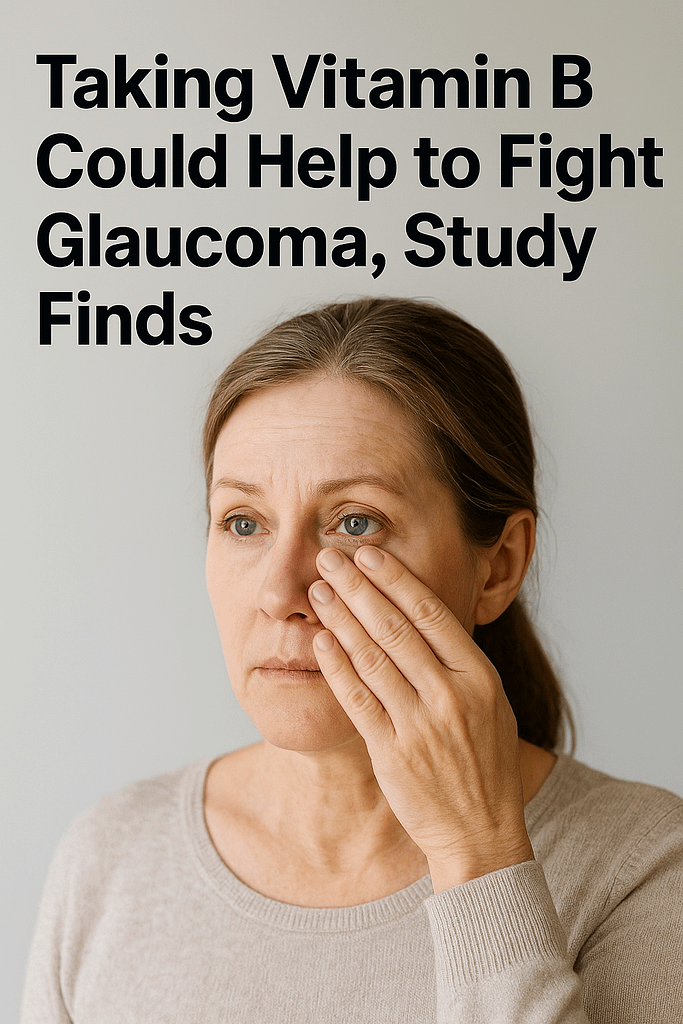
Glaucoma, often referred to as the “silent thief of sight,” is one of the leading causes of blindness worldwide. It affects millions of people and is notoriously difficult to treat once vision loss begins. But now, a new study suggests that something as simple as taking vitamin B supplements may play a role in protecting eyesight and slowing the progression of this devastating disease.
Glaucoma is an eye condition caused by damage to the optic nerve, which connects the eye to the brain. In most cases, this damage is linked to increased pressure inside the eye, though not always. Over time, glaucoma can cause gradual loss of vision, starting with peripheral sight. Because the disease often develops slowly and without symptoms, many people do not realize they have glaucoma until it is in an advanced stage. Treatments such as medicated eye drops, laser therapy, or surgery aim to reduce eye pressure, but there is still no cure.
The new research focuses on the role of vitamin B—particularly vitamin B3 (also known as niacin) and vitamin B12—in protecting nerve health. Scientists have long known that B vitamins support the nervous system, helping maintain energy production in cells and preventing damage caused by oxidative stress. Since glaucoma involves the gradual death of nerve cells in the eye, researchers have been investigating whether these vitamins could serve as a protective shield.
In this study, participants who took daily doses of vitamin B showed signs of improved resilience in their optic nerve cells. The results indicated that vitamin B may enhance mitochondrial function—the process that allows cells to generate energy. This boost in cellular energy helps the nerve cells survive longer, even under the stress caused by elevated eye pressure.
While research is still in its early stages, findings are promising. Patients with early signs of glaucoma who were given vitamin B3 supplements demonstrated slower progression of the disease compared to those who did not take the supplements. Animal studies further confirmed these effects, showing that vitamin B helped prevent the breakdown of optic nerve fibers.
Doctors emphasize that vitamin B is not a replacement for standard glaucoma treatments such as pressure-lowering eye drops. However, it could serve as a valuable addition to existing therapies. Combining traditional treatment with nutritional support may give patients a better chance at preserving their vision.
One of the biggest advantages of this discovery is accessibility. Vitamin B supplements are widely available, inexpensive, and generally safe for most people when taken in recommended amounts. Unlike some experimental drugs, which may take years to develop and test, vitamins could potentially be used right away to benefit patients.
That said, experts caution against self-prescribing high doses without medical advice. Overuse of certain B vitamins can cause side effects. For example, too much vitamin B6 can lead to nerve problems, and excess niacin may cause flushing or liver issues. The key is balance—and following the guidance of an eye specialist or healthcare provider.
This study adds to a growing body of evidence linking nutrition to eye health. Antioxidants like vitamins C and E, as well as minerals like zinc, have long been known to support vision. Leafy greens, carrots, nuts, and fish rich in omega-3 fatty acids are also frequently recommended as part of an eye-healthy diet. The potential role of vitamin B in fighting glaucoma strengthens the idea that what we eat—and the nutrients we consume—can significantly influence long-term eye health.
Scientists are now planning larger clinical trials to confirm the benefits of vitamin B for glaucoma patients. If these trials are successful, vitamin B supplementation could become a standard recommendation for those at risk. With glaucoma affecting more than 76 million people worldwide, even small improvements in treatment could change countless lives.
For now, the message is hopeful but cautious. Patients should continue with prescribed treatments, keep regular eye check-ups, and talk to their doctors before making any changes to their supplement routine.
The possibility that vitamin B could help fight glaucoma marks an exciting step forward in vision research. While not a cure, this simple vitamin may provide extra protection for the optic nerve, potentially slowing the march of blindness. As scientists continue to explore the link between nutrition and eye health, patients and doctors alike may soon have new, affordable tools to combat one of the world’s most stubborn eye diseases.
Julia Roberts and Dennis Quaid: Revisiting Something to Talk About
When we think of powerhouse actors from the 1990s, Julia Roberts and Dennis Quaid often come to mind. Both carved their names into Hollywood history with unforgettable roles, and when they teamed up in Something to Talk About (1995), the result was a compelling mix of drama, humor, and heartfelt storytelling. Directed by Lasse Hallström and written by Callie Khouri, the film gave audiences a slice-of-life narrative that still resonates today.
At its heart, Something to Talk About explores the messy, complicated realities of love, betrayal, and self-discovery. Julia Roberts plays Grace King Bichon, a woman whose seemingly picture-perfect life unravels when she discovers her husband, Eddie (Dennis Quaid), has been unfaithful. What begins as a confrontation quickly spirals into a journey of independence, family tension, and the courage to decide what kind of life Grace truly wants.
Roberts, already a global star after Pretty Woman and Steel Magnolias, brought a relatable vulnerability to Grace. Instead of playing a romantic ideal, she embodied a woman standing at a crossroads, grappling with anger, disillusionment, and the desire for self-respect. Her performance captured the quiet strength many women could identify with, especially in a decade where conversations around gender roles and independence were gaining momentum.
On the other side, Dennis Quaid gave depth to Eddie, a character who could have easily been dismissed as a one-note unfaithful husband. Quaid’s natural charm allowed Eddie to come across as flawed but human, a man who had made mistakes yet struggled with his own ideas of family and masculinity. The dynamic between Roberts and Quaid fueled the film’s emotional core, making their onscreen clashes as riveting as their tender reconciliations.
One of the film’s standout elements is how it blends serious themes with moments of humor and warmth. Callie Khouri, who had already made waves with Thelma & Louise, crafted a screenplay that balanced heartbreak with witty dialogue and familial banter. Supporting performances from Kyra Sedgwick as Grace’s outspoken sister and Robert Duvall as her traditional Southern father added richness and complexity, grounding the film in a believable world.
Though not a blockbuster on the level of Roberts’ biggest hits, Something to Talk About has endured as a thoughtful exploration of relationships and resilience. For many fans, it remains a hidden gem in both actors’ filmographies—a reminder that star power can elevate a story rooted in everyday struggles.
Looking back, the film also highlights an interesting point in Roberts’ career. She was transitioning from America’s sweetheart into roles with more nuance and maturity. For Quaid, it showcased his ability to handle both drama and comedy, a balance that defined much of his work through the 1990s.
Nearly three decades later, Something to Talk About continues to strike a chord. It reminds us that life’s most difficult moments can become turning points, and that even in heartbreak, there is strength to be found. With Julia Roberts and Dennis Quaid at the helm, the film remains an enduring example of 90s cinema that blends charm, realism, and heart.

